Lyophilized Peptide Overview
Research peptides are supplied in lyophilized (freeze-dried) form for maximum stability during shipping and storage. Before use in research protocols, they must be reconstituted by adding a sterile diluent — almost always bacteriostatic water (BAC water).
Proper reconstitution technique is critical for maintaining peptide integrity and ensuring accurate concentrations in research applications.
Materials Required
- Lyophilized peptide vial
- Bacteriostatic water for injection (0.9% benzyl alcohol preserved, sterile)
- Insulin syringe (0.3cc or 1cc, 28-31 gauge)
- Alcohol swabs
- Clean workspace
Step-by-Step Reconstitution
Step 1: Calculate Target Concentration
Determine your target mg/mL concentration before adding diluent:
| Vial Size | BAC Water Added | Concentration |
| 5mg | 5mL | 1mg/mL |
| 5mg | 2.5mL | 2mg/mL |
| 10mg | 10mL | 1mg/mL |
| 10mg | 5mL | 2mg/mL |
| 15mg | 5mL | 3mg/mL |
| 15mg | 15mL | 1mg/mL |
| 50mg | 10mL | 5mg/mL |
| 60mg | 10mL | 6mg/mL |
Step 2: Sanitize
Wipe both vial septa (BAC water vial + peptide vial) with separate alcohol swabs. Allow to air-dry for 10-15 seconds. Do not blow on the septa.
Step 3: Draw Bacteriostatic Water
Insert needle into BAC water vial. Draw the calculated volume of bacteriostatic water into the syringe. Withdraw needle.
Step 4: Inject Into Peptide Vial
Critical technique: Angle the needle and direct the stream of BAC water onto the glass wall of the vial — not directly onto the powder cake. Direct force against the powder can cause peptide denaturation.
Inject slowly. The powder will begin dissolving from the edges.
Step 5: Mix Gently
Do NOT shake the vial. Shaking introduces air bubbles and can damage the peptide through mechanical shear forces. Instead:
- Gently swirl the vial in a circular motion
- Roll between palms
- Allow to sit for 2-5 minutes if needed
Quality Control Indicators
Good reconstitution:
- Clear, colorless solution
- No visible particulates or cloudiness
- Dissolves fully within 5 minutes
- Cloudy solution: possible aggregation or contamination
- Floating particles: incomplete dissolution or degradation
- Color change: oxidation (especially relevant for GHK-CU — slightly blue tint is normal)
- Failure to dissolve: rare; may indicate degraded starting material
Peptide-Specific Notes
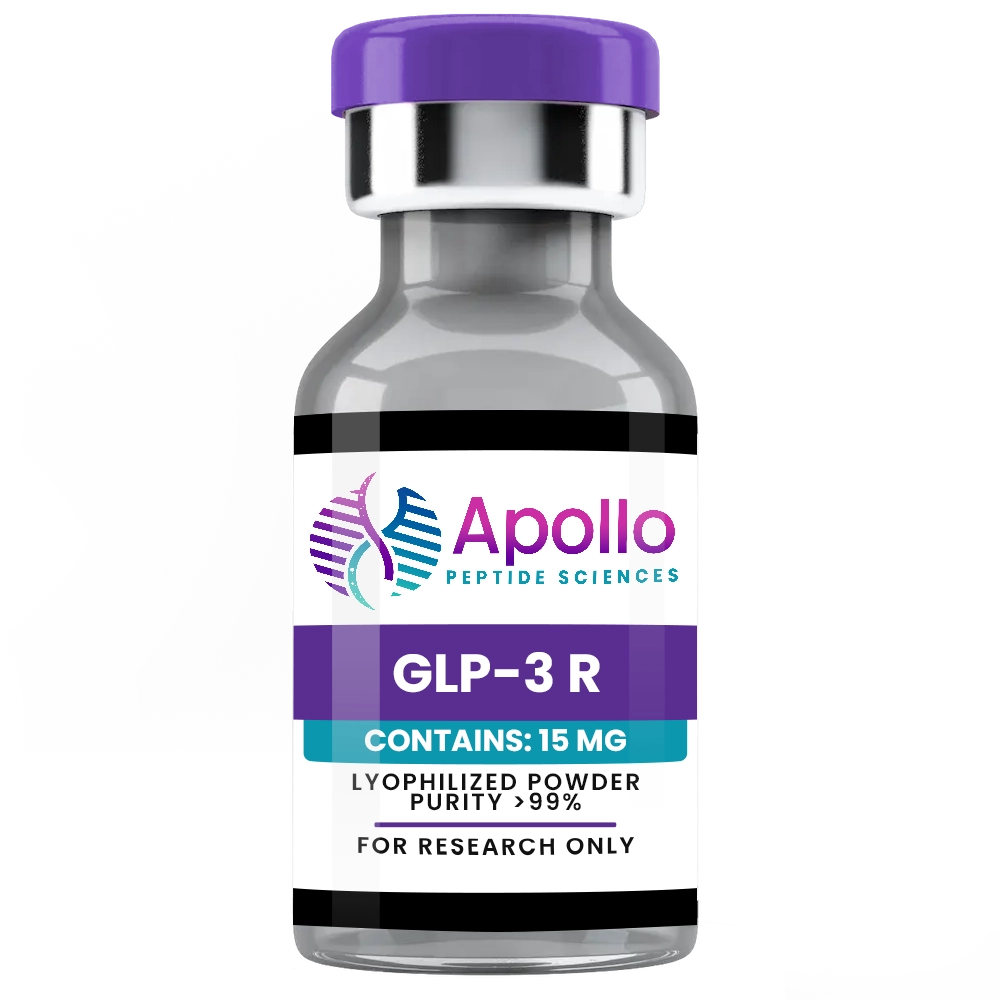
Retatrutide (GLP-3 R)
- Typical concentration: 3mg/mL (5mL per 15mg vial)
- Stable reconstituted solution: clear, colorless
- Particularly sensitive to shaking due to molecular complexity
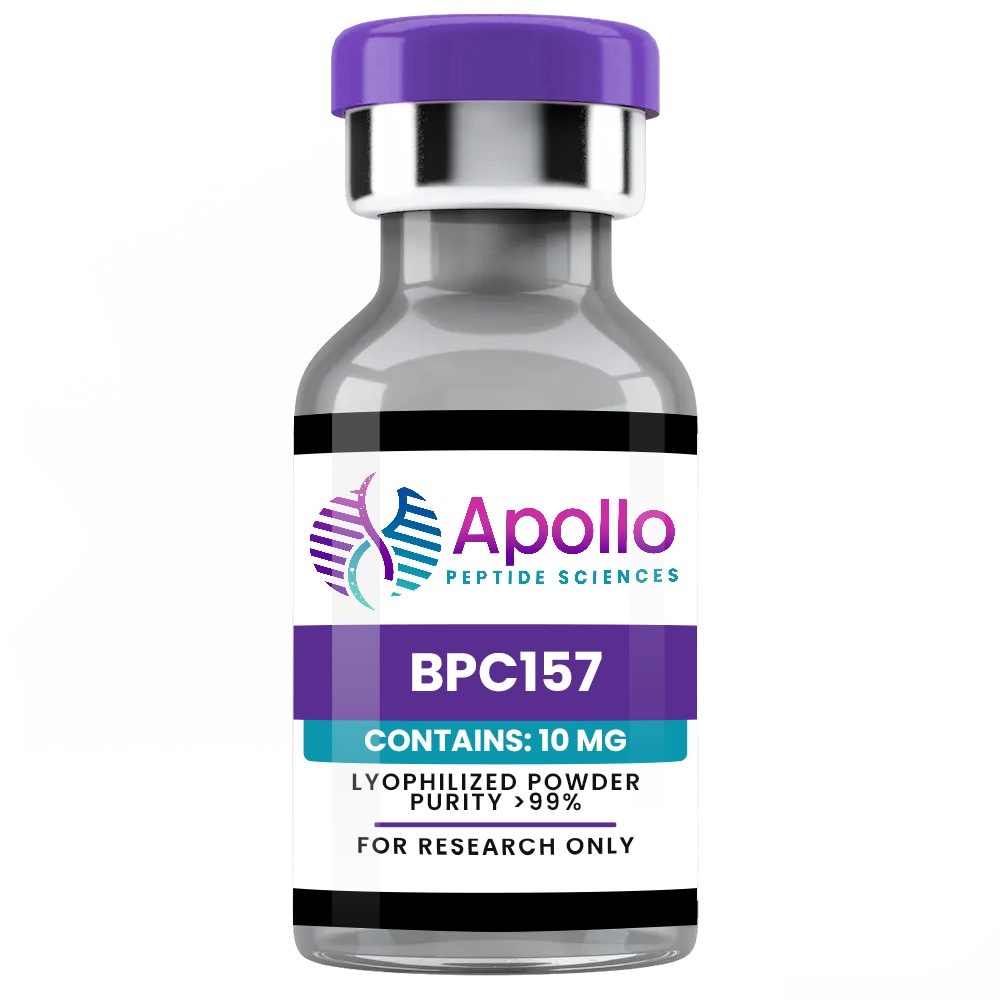
BPC-157
- Highly stable at physiological pH
- Dissolves quickly
- Typical concentration: 1mg/mL for research dosing
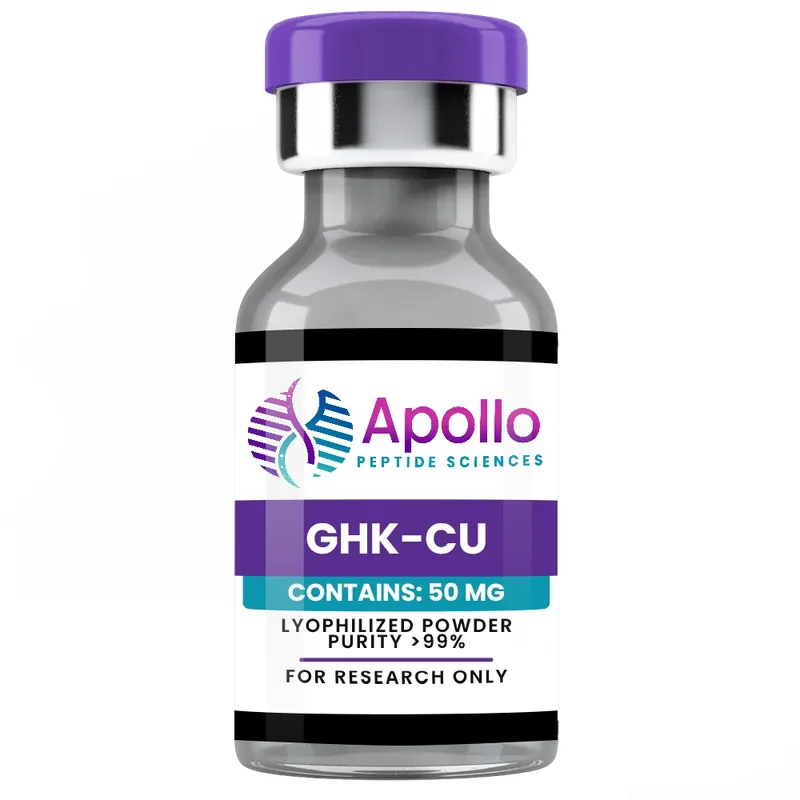
GHK-CU
- Copper peptide: solution may appear very slightly blue-tinted (normal, from Cu2+)
- Protect from light after reconstitution
- 5mg/mL concentration common for 50mg vial
Storage After Reconstitution
| Condition | Duration |
| 2-8°C (refrigerator) | 4-6 weeks |
| Frozen (-20°C) | 3-6 months (avoid for complex peptides) |
| Room temperature | Do not store reconstituted peptides at RT |
Label every vial: Date of reconstitution + concentration.
Freeze-thaw cycles: Minimize freeze-thaw cycles for reconstituted peptides. If freezing is necessary, use single-use aliquots.
Lyophilized Storage (Pre-Reconstitution)
Most lyophilized peptides are stable at room temperature when protected from moisture and light. For long-term storage (>6 months), 2-8°C refrigeration is recommended. Clavicular Stack ships peptides with desiccant to maintain lyophilized integrity.
All information is for laboratory research purposes only. Not for human use.