GLP Research — Fat Loss
Research on GLP-1, GIP, and Glucagon receptor agonists — semaglutide, tirzepatide, and Retatrutide (GLP-3 R). The core fat loss compounds in the Clavicular Stack.
GLP Receptor Research — From Single to Triple Agonism
Glucagon-like peptide-1 (GLP-1) research has evolved rapidly, producing three generations of receptor agonist compounds with progressively stronger metabolic effects.
Generation 1: GLP-1 Single Agonists (Semaglutide)
Semaglutide binds selectively to the GLP-1 receptor with ~94% structural homology to endogenous GLP-1. STEP trial results:
- STEP 1: −14.9% body weight at 68 weeks
- SELECT cardiovascular trial: 20% MACE reduction
Generation 2: GLP-1/GIP Dual Agonists (Tirzepatide)
Timrzepatide activates both GLP-1 and GIP receptors. SURMOUNT-1: −20.9% body weight at 72 weeks. The GIP component adds insulin sensitization and direct adipocyte effects.
Generation 3: Triple Agonist (Retatrutide / GLP-3 R)
Retatrutide adds the Glucagon receptor — driving direct hepatic fat oxidation and brown adipose thermogenesis on top of appetite suppression. Phase 2 results: −28.7% body weight at 48 weeks — the largest ever recorded in a Phase 2 GLP trial.
Receptor Mechanisms
GLP-1 receptor (Gs-coupled GPCR):
- Hypothalamic/brainstem appetite suppression
- Glucose-dependent insulin secretion
- Slowed gastric emptying
- Cardiovascular cardioprotection
- Enhanced insulin sensitivity
- Direct adipocyte lipid metabolism
- Synergistic GLP-1R potentiation
- Hepatic beta-oxidation of fatty acids
- Brown adipose tissue thermogenesis
- Visceral fat mobilization
Why the Clavicular Stack Uses Retatrutide
The triple-agonist produces fat loss through three concurrent mechanisms rather than one or two. The Phase 2 data — 28.7% at 48 weeks — reflects this mechanistic superiority. This is the research basis for the Clavicular Stack's core compound selection.
Research-Grade GLP Research — Fat Loss
>98% purity, third-party tested. Free shipping on orders over $200.
GLP Research — Fat Loss — Available Products
Research-grade compounds from Clavicular Stack. >98% purity, CoA on request.
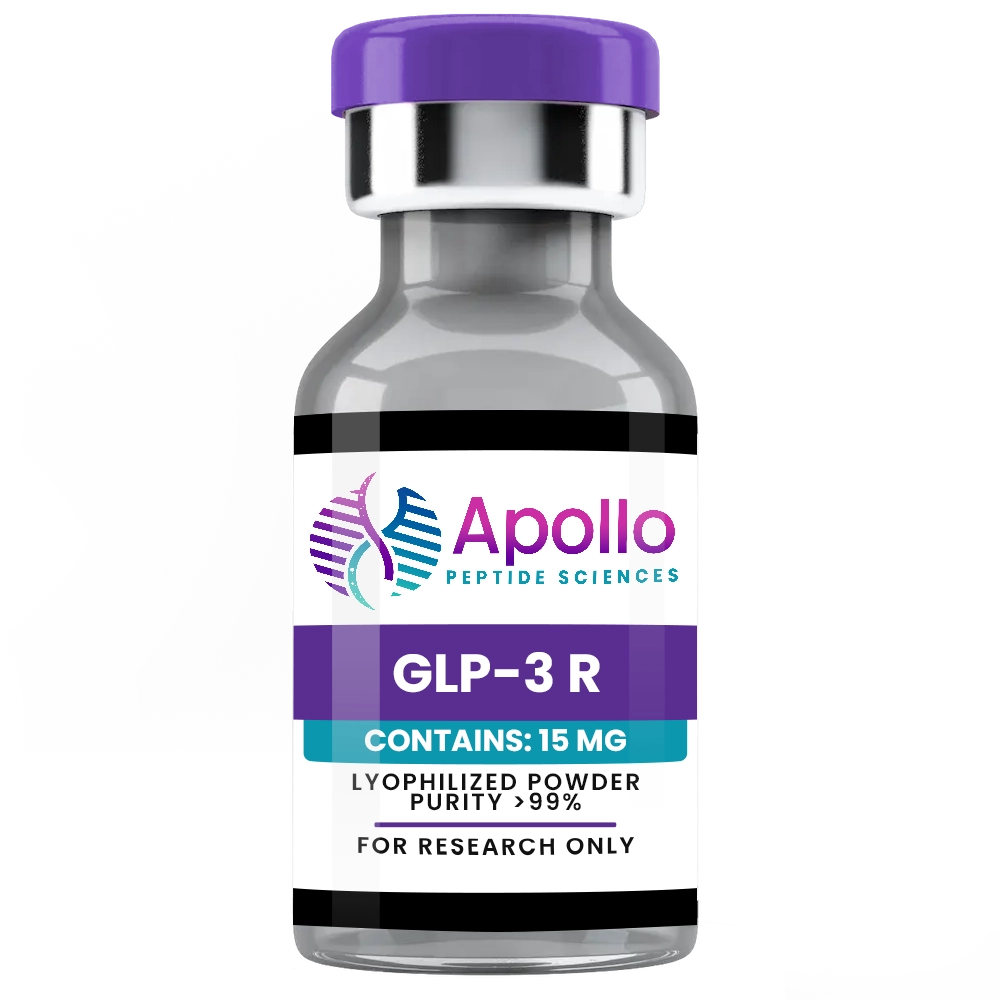
GLP-3 R 15mg
Retatrutide (GLP-3 R) 15mg — the standard research supply for triple agonist studies. Enables full head-to-head protocols: GLP-1 monotherapy (semaglutide) vs. dual agonism (tirzepatide) vs. triple agonism (retatrutide) in matched in vitro or animal models.
CAS: 2381609-35-2
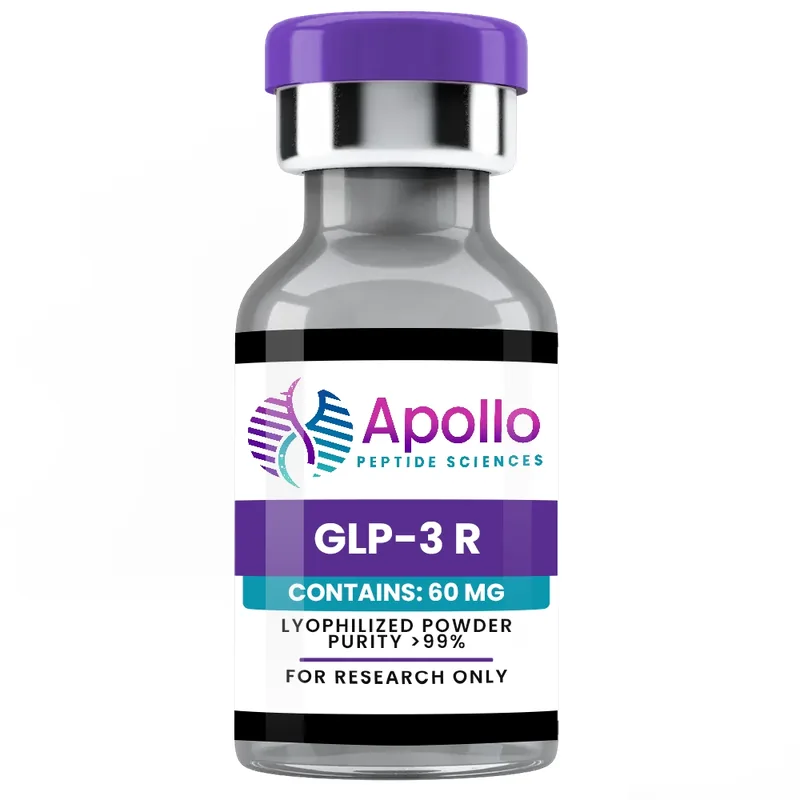
GLP-3 R 60mg
GLP-3 R (Retatrutide) 60mg — the bulk research vial for extended Retatrutide studies. Triple-agonist GLP-1/GIP/Glucagon receptor activity. Phase 2 trial data shows −28.7% body weight reduction at 48 weeks.
CAS: 2381609-35-2
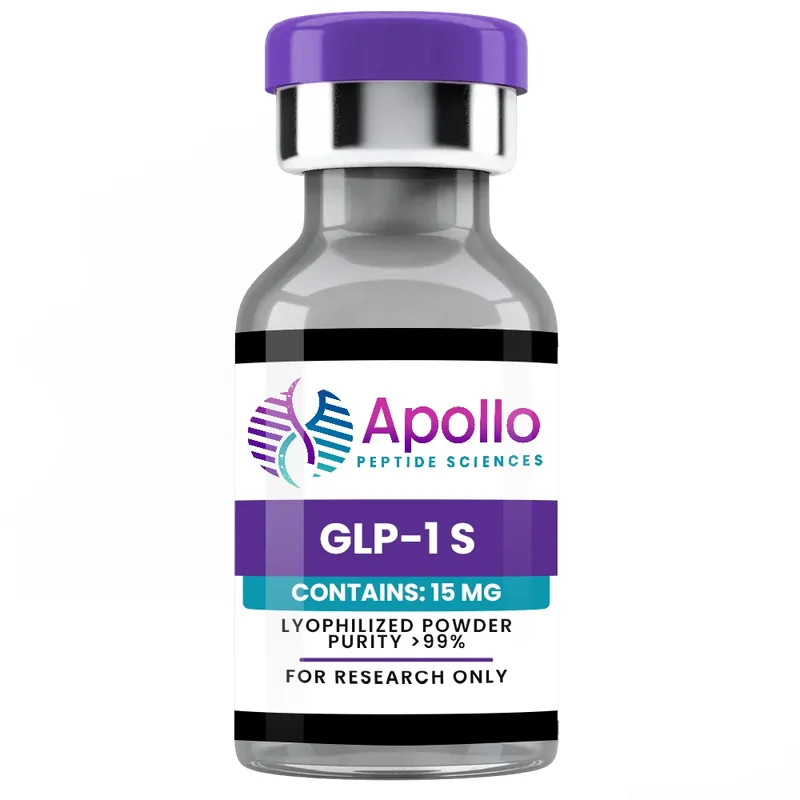
GLP-1 S 15mg
GLP-1 S (Semaglutide) 15mg — best-value single vial for long-duration GLP-1 research protocols. 50% more material than the 10mg at a proportionally lower price per mg. Lyophilized, >98% purity, HPLC tested.
CAS: 910463-68-2
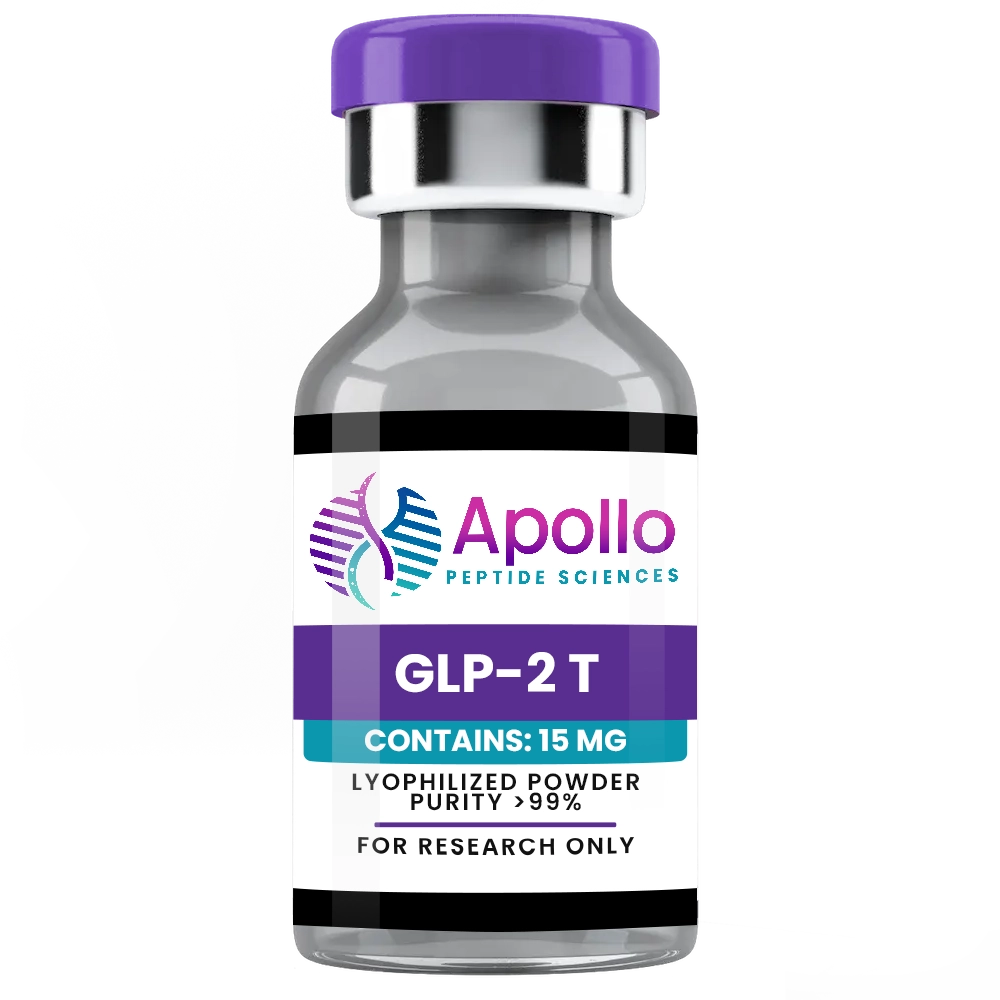
GLP-2 T 15mg
Tirzepatide (GLP-2 T) is a dual GLP-1/GIP receptor agonist — activating both incretin receptors simultaneously for additive effects on insulin secretion and energy intake reduction. Research shows significantly greater weight reduction in obese models vs. GLP-1 monotherapy. Frequently compared head-to-head with semaglutide in mechanistic studies. 15mg lyophilized, >98% purity.
CAS: 2023788-19-2
Research Guides
Deep-dive guides for glp research — fat loss compounds
Guide
Retatrutide (GLP-3 R): Complete Research Guide
Everything researchers need to know about Retatrutide — the triple-agonist GLP-1/GIP/Glucagon compound at the core of the Clavicular Stack. Phase 2 data, mechanism, dosing, and sourcing.
Read guideGuide
Peptide Reconstitution Guide: BAC Water, Storage & Handling
Step-by-step guide to reconstituting lyophilized research peptides — bacteriostatic water ratios, injection technique, storage conditions, and quality control for all Clavicular Stack compounds.
Read guideGuide
Retatrutide vs. Semaglutide vs. Tirzepatide: GLP Research Comparison
A side-by-side comparison of the three main GLP compounds — GLP-1 only (semaglutide), dual GLP-1/GIP (tirzepatide), and triple GLP-1/GIP/Glucagon (Retatrutide). Data, mechanisms, and why Clav chose GLP-3 R.
Read guideRelated Research
Articles and breakdowns for glp research — fat loss
9 min read
Retatrutide Phase 2 Trial: -28.7% Weight Loss Explained
Deep dive into the Retatrutide Phase 2 clinical trial data — -28.7% body weight loss at 48 weeks, dose-response analysis, why this exceeds semaglutide and tirzepatide, and what researchers need to know.
Read more8 min read
GHK-CU: The Science Behind the GLOW Peptide
The full research breakdown of GHK-CU copper peptide — collagen gene upregulation, skin remodeling mechanism, wound healing data, and why the GLOW effect in the Clavicular Stack is mechanistically real.
Read moreLooking for Clavicular's Looksmaxxing Stack?
See which peptides Clavicular uses in his viral looksmaxxing transformation — Retatrutide, BPC-157, and more.
Frequently Asked Questions
What is Retatrutide (GLP-3 R)?
Retatrutide is a triple-receptor agonist activating GLP-1, GIP, and Glucagon receptors simultaneously. Phase 2 trial data showed -28.7% body weight loss at 48 weeks — the most significant GLP Phase 2 result ever recorded.
How does Retatrutide differ from semaglutide?
Semaglutide is a GLP-1 receptor agonist only. Retatrutide adds GIP and Glucagon receptor engagement — the glucagon receptor specifically drives direct hepatic fat oxidation and brown adipose thermogenesis, adding fat-burning mechanisms beyond appetite suppression.
How does Retatrutide differ from tirzepatide?
Tirzepatide is a dual GLP-1/GIP agonist. Retatrutide adds the glucagon receptor on top — which drives direct hepatic fat burning and brown adipose thermogenesis. Phase 2 data places Retatrutide ~8 percentage points ahead of tirzepatide's best Phase 3 result.
Shop GLP Research — Fat Loss
Research-grade glp research — fat loss from Clavicular Stack. Third-party tested, >98% purity guaranteed.