Research Dosing Protocols
Reconstitution guides, dose escalation schedules, and concentration tables for the Clavicular Stack compounds — Retatrutide, BPC-157, GHK-CU, TB-500, and SNAP-8.
Clavicular Stack Research Dosing Reference
This section covers reconstitution and dosing reference data for the core Clavicular Stack compounds. All information is for laboratory research purposes only.
Reconstitution Quick Reference
| Compound | Vial Size | BAC Water | Concentration |
| GLP-3 R (Retatrutide) | 15mg | 5mL | 3mg/mL | ||||
| GLP-3 R (Retatrutide) | 60mg | 10mL | 6mg/mL | ||||
| BPC-157 | 10mg | 10mL | 1mg/mL | ||||
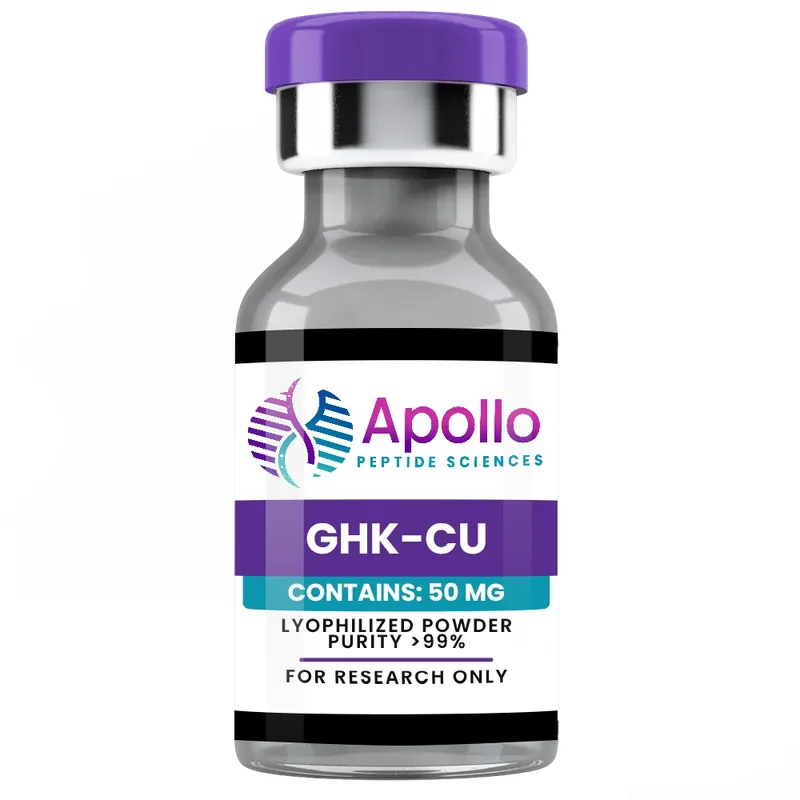
| GHK-CU | 50mg | 10mL | 5mg/mL | ||||
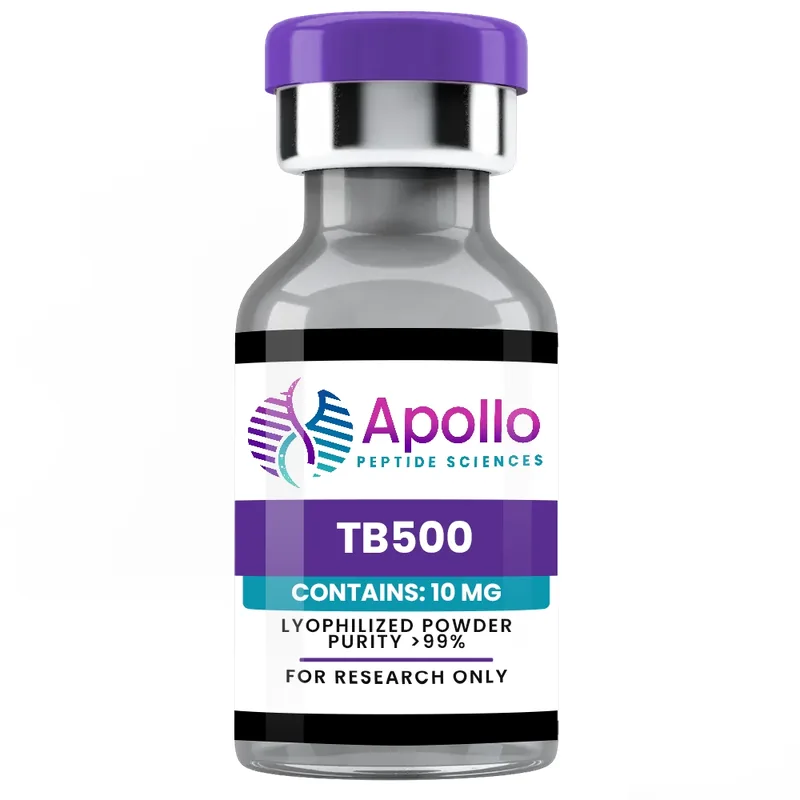
| TB-500 | 10mg | 2mL | 5mg/mL | ||||
| SNAP-8 | 5mg | 5mL | 1mg/mL | Retatrutide Dose Escalation ReferencePublished Phase 2 escalation schedule: | Phase | Dose | Duration |
| Initiation | 2mg/week | Weeks 1-4 |
| Escalation 1 | 4mg/week | Weeks 5-8 |
| Escalation 2 | 8mg/week | Weeks 9+ |
Note: Slower escalation reduces GI side effects. BPC-157 co-administration recommended during all escalation phases.
BPC-157 Research Reference
- Common research dose: 250-500mcg
- Frequency: Once or twice daily
- Route: Subcutaneous, most studied
- Administration timing: Consistent daily timing recommended
GHK-CU Research Reference
- Common research dose: 1-2mg
- Frequency: Daily
- Route: Subcutaneous or topical (0.1-2% concentration)
- Protect reconstituted solution from light
Storage Summary
| State | Condition | Duration |
| Lyophilized | Room temp, dry, dark | 12+ months |
| Reconstituted | 2-8°C refrigerator | 4-6 weeks |
| Reconstituted | -20°C frozen (single-use) | 3-6 months |
Research-Grade Research Dosing Protocols
>98% purity, third-party tested. Free shipping on orders over $200.
Research Dosing Protocols — Available Products
Research-grade compounds from Clavicular Stack. >98% purity, CoA on request.
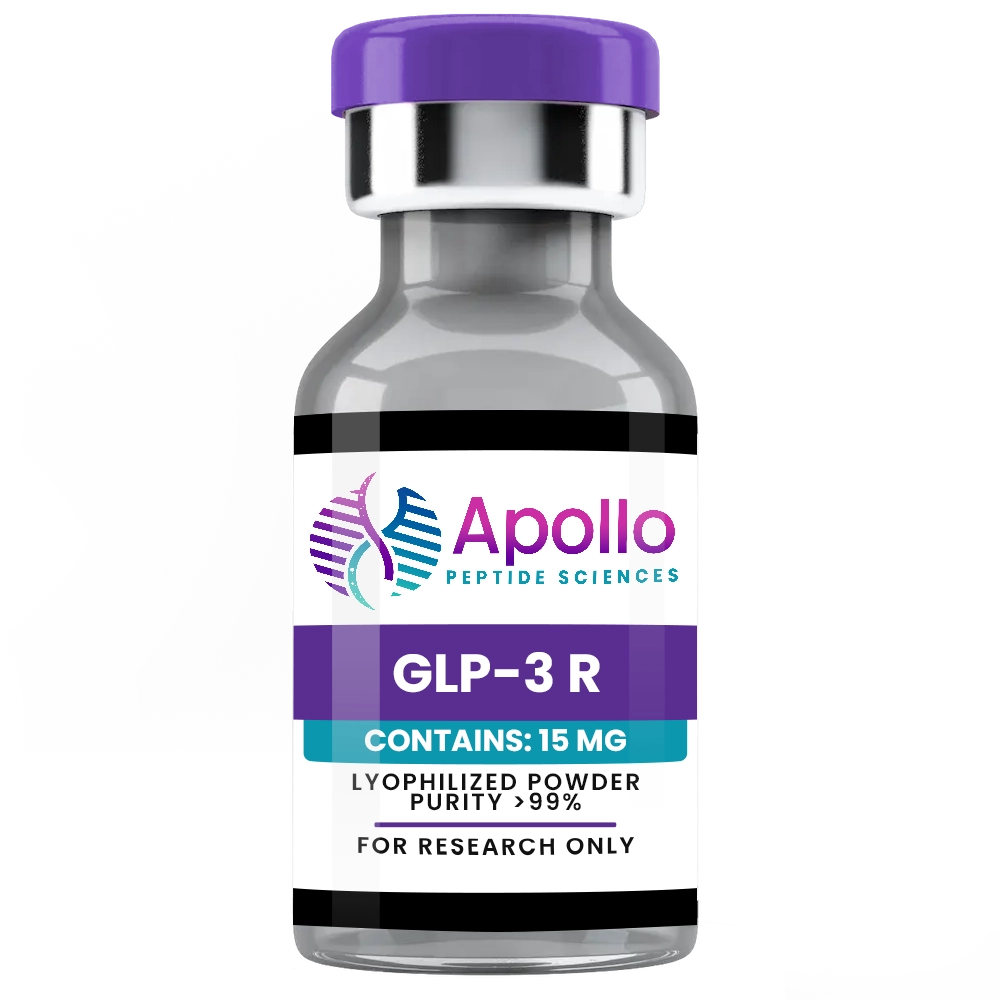
GLP-3 R 15mg
Retatrutide (GLP-3 R) 15mg — the standard research supply for triple agonist studies. Enables full head-to-head protocols: GLP-1 monotherapy (semaglutide) vs. dual agonism (tirzepatide) vs. triple agonism (retatrutide) in matched in vitro or animal models.
CAS: 2381609-35-2
Research Guides
Deep-dive guides for research dosing protocols compounds
Guide
Retatrutide (GLP-3 R): Complete Research Guide
Everything researchers need to know about Retatrutide — the triple-agonist GLP-1/GIP/Glucagon compound at the core of the Clavicular Stack. Phase 2 data, mechanism, dosing, and sourcing.
Read guideGuide
GHK-CU: The Copper Peptide Research Guide (GLOW Explained)
Complete GHK-CU copper peptide research guide — collagen synthesis, skin remodeling, wound healing, hair follicle stimulation, and the science behind the GLOW effect in the Clavicular Stack.
Read guideGuide
Peptide Reconstitution Guide: BAC Water, Storage & Handling
Step-by-step guide to reconstituting lyophilized research peptides — bacteriostatic water ratios, injection technique, storage conditions, and quality control for all Clavicular Stack compounds.
Read guideLooking for Clavicular's Looksmaxxing Stack?
See which peptides Clavicular uses in his viral looksmaxxing transformation — Retatrutide, BPC-157, and more.
Frequently Asked Questions
How is Retatrutide reconstituted?
Add 5mL bacteriostatic water to a 15mg vial for 3mg/mL concentration. Inject BAC water along the vial wall (not directly on powder). Swirl gently — do not shake. Store at 2-8°C.
What is the Retatrutide dose escalation schedule?
Phase 2 trial used 2mg/week (initiation, weeks 1-4) → 4mg/week (weeks 5-8) → 8mg/week (maintenance, week 9+). Slower escalation reduces GI side effects during adaptation.
How long are reconstituted peptides stable?
Reconstituted peptides stored at 2-8°C are typically stable for 4-6 weeks. Label each vial with reconstitution date and concentration. Lyophilized peptides stored correctly are stable for 12+ months.
Shop Research Dosing Protocols
Research-grade research dosing protocols from Clavicular Stack. Third-party tested, >98% purity guaranteed.