Cardiovascular Research
GLP compound cardiovascular outcomes research including the SELECT trial (semaglutide, 20% MACE reduction) and cardiometabolic effects across the GLP compound class.
GLP Compounds & Cardiovascular Research
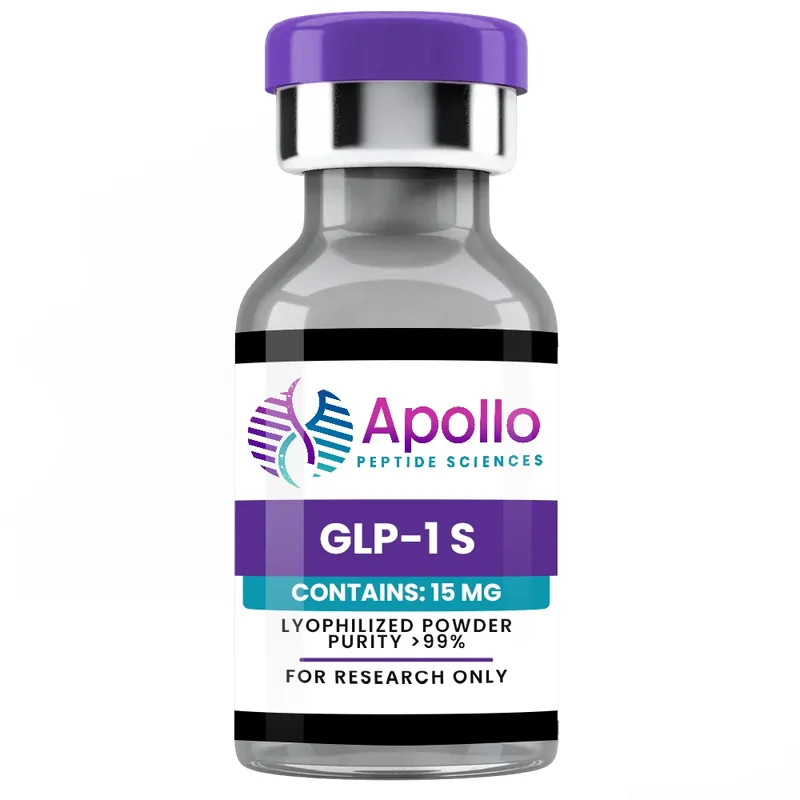
GLP-1 receptor agonist compounds have shown significant cardiovascular effects beyond their metabolic actions — both through weight loss-mediated improvements and through direct GLP-1 receptor-mediated cardiac biology.
SELECT Trial — Semaglutide Cardiovascular Data
The SELECT trial enrolled 17,604 participants with overweight/obesity and established CVD (without diabetes):
- 20% reduction in MACE (cardiovascular death, non-fatal MI, non-fatal stroke)
- First GLP-1 agonist demonstrating CV benefit in a non-diabetic obese population
- Benefits partially independent of weight loss magnitude
- 3.3 years median follow-up
FLOW Trial — Renal Protection
The FLOW trial studied semaglutide in 3,533 participants with T2D and chronic kidney disease:
- 24% reduction in kidney disease progression
- 29% reduction in kidney failure
- Trial stopped early due to efficacy signal strength
Cardiac Mechanisms
GLP-1 receptors are expressed in cardiac tissue. Direct cardioprotective research findings include:
- Reduced oxidative stress in myocardial tissue
- Anti-inflammatory effects on vascular endothelium
- Blood pressure reduction (3-6 mmHg systolic average)
- Improved lipid profiles (LDL, triglycerides)
Retatrutide Cardiovascular Research
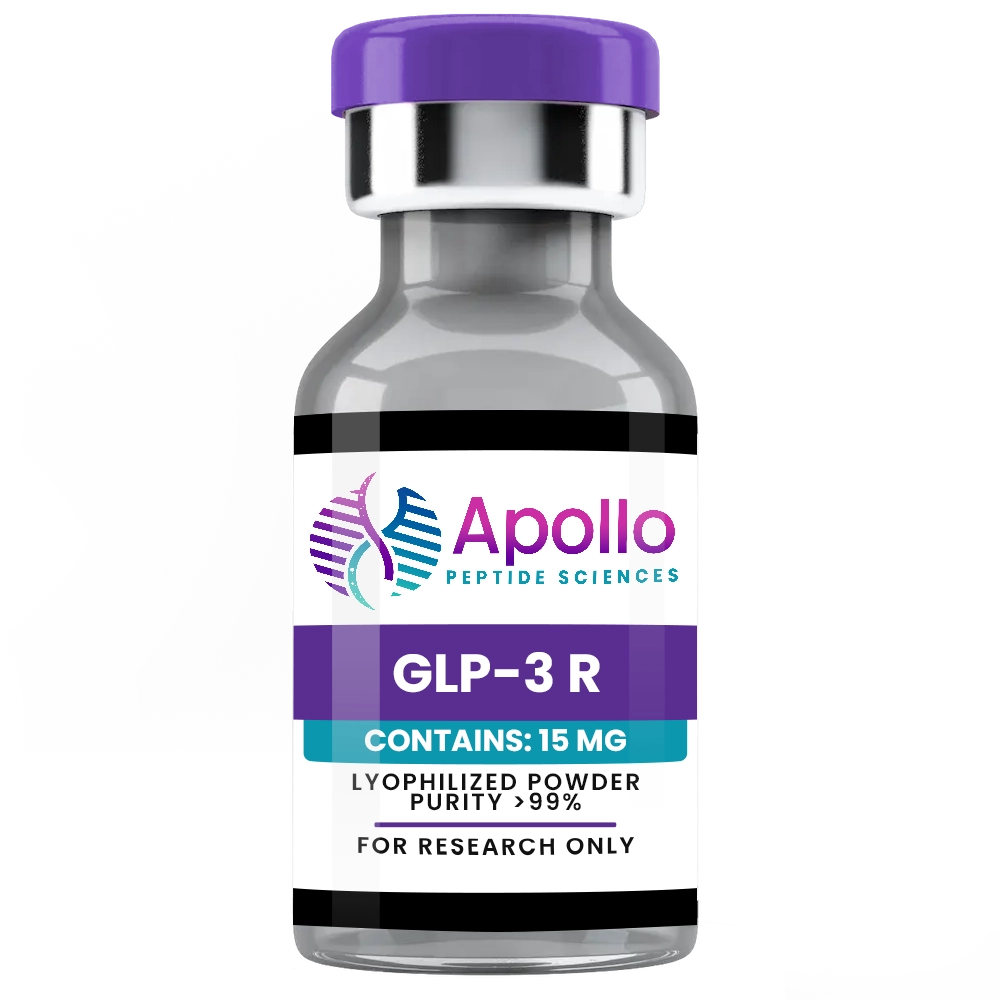
Phase 3 TRIUMPH-CVOT trial is currently evaluating Retatrutide cardiovascular outcomes. The triple-agonist mechanism (which includes glucagon receptor engagement) introduces additional hepatic and metabolic effects that may compound the cardiovascular signal observed with GLP-1-only agonists.
For laboratory research use only.
Research-Grade Cardiovascular Research
>98% purity, third-party tested. Free shipping on orders over $200.
Cardiovascular Research — Available Products
Research-grade compounds from Clavicular Stack. >98% purity, CoA on request.
Research Guides
Deep-dive guides for cardiovascular research compounds
Guide
Retatrutide (GLP-3 R): Complete Research Guide
Everything researchers need to know about Retatrutide — the triple-agonist GLP-1/GIP/Glucagon compound at the core of the Clavicular Stack. Phase 2 data, mechanism, dosing, and sourcing.
Read guideGuide
Peptide Reconstitution Guide: BAC Water, Storage & Handling
Step-by-step guide to reconstituting lyophilized research peptides — bacteriostatic water ratios, injection technique, storage conditions, and quality control for all Clavicular Stack compounds.
Read guideGuide
Retatrutide vs. Semaglutide vs. Tirzepatide: GLP Research Comparison
A side-by-side comparison of the three main GLP compounds — GLP-1 only (semaglutide), dual GLP-1/GIP (tirzepatide), and triple GLP-1/GIP/Glucagon (Retatrutide). Data, mechanisms, and why Clav chose GLP-3 R.
Read guideLooking for Clavicular's Looksmaxxing Stack?
See which peptides Clavicular uses in his viral looksmaxxing transformation — Retatrutide, BPC-157, and more.
Frequently Asked Questions
What is the SELECT trial?
SELECT enrolled 17,604 participants with overweight/obesity and established CVD (no diabetes) and showed semaglutide reduced MACE by 20% vs. placebo — the first cardiovascular outcomes trial in a non-diabetic obese population for a GLP compound.
Are cardiovascular benefits from weight loss or direct GLP effects?
SELECT analyses suggest both mechanisms contribute. Cardiovascular benefit was observed even with modest weight loss, suggesting direct GLP-1 receptor-mediated cardiac effects operate independently of weight changes.
Does Retatrutide have cardiovascular trial data?
The TRIUMPH-CVOT Phase 3 trial is currently evaluating Retatrutide cardiovascular outcomes. Phase 2 data showed significant improvements in cardiometabolic markers including triglycerides, blood pressure, and waist circumference.
Shop Cardiovascular Research
Research-grade cardiovascular research from Clavicular Stack. Third-party tested, >98% purity guaranteed.