Best Peptides for Weight Loss 2026
Retatrutide (GLP-3 triple agonist), Semaglutide (GLP-1), and Tirzepatide (GLP-1/GIP dual agonist) — a comprehensive informational overview of mechanisms, clinical data, and dosing protocols for the most powerful weight-loss peptides available .
The GLP-1 receptor agonist class has redefined metabolic care over the past five years. What began with Semaglutide — the first peptide to reliably demonstrate double-digit body weight reduction in clinical trials — has now evolved to Tirzepatide (dual GLP-1/GIP agonism) and Retatrutide (triple GLP-1/GIP/glucagon agonism), each generation delivering substantially greater efficacy than the last.
This guide breaks down all three molecules: how they work at the receptor level, what the clinical data actually shows, how they compare head-to-head, and where each fits in an optimized protocol. Whether you are exploring metabolic efficiency, body recomposition, or the emerging intersection of weight loss and looksmaxxing, this is the definitive reference.
Retatrutide (GLP-3 R) — The Next Generation
Simultaneous GLP-1, GIP, and glucagon receptor agonism. The most potent weight-loss peptide in clinical informational as of.
GLP-1 Agonism
Reduces appetite via hypothalamic signaling, slows gastric emptying, and enhances glucose-dependent insulin secretion. The same mechanism as Semaglutide — but one of three simultaneous targets.
GIP Agonism
Glucose-dependent insulinotropic polypeptide receptor activation synergizes with GLP-1 for enhanced insulin sensitivity and adipose tissue remodeling. Tirzepatide showed this dual effect increases efficacy over GLP-1 alone.
Glucagon Agonism
The third and differentiating target. Glucagon receptor agonism increases hepatic glucose output and thermogenesis — raising basal metabolic rate. This mechanism is unique to Retatrutide among approved-class molecules.
Phase 2 Clinical Trial Data (2023)
Mean body weight reduction at 48 weeks in the highest-dose cohort
Participants achieving ≥15% body weight reduction vs 1.4% on placebo
Visceral fat area reduction measured by CT imaging
Significant improvements in lipid panel, triglycerides, and HbA1c markers
Source: Jastreboff et al. NEJM 2023. Phase 2 dose-escalation trial, n=338. Informational context only.
Informational Dosing Protocol
Starting Dose
0.5 mg
Weeks 1–4, weekly SC injection
Maintenance
4–8 mg
Titrated over 12–16 weeks
Max Studied
12 mg
Highest dose in Phase 2 cohort
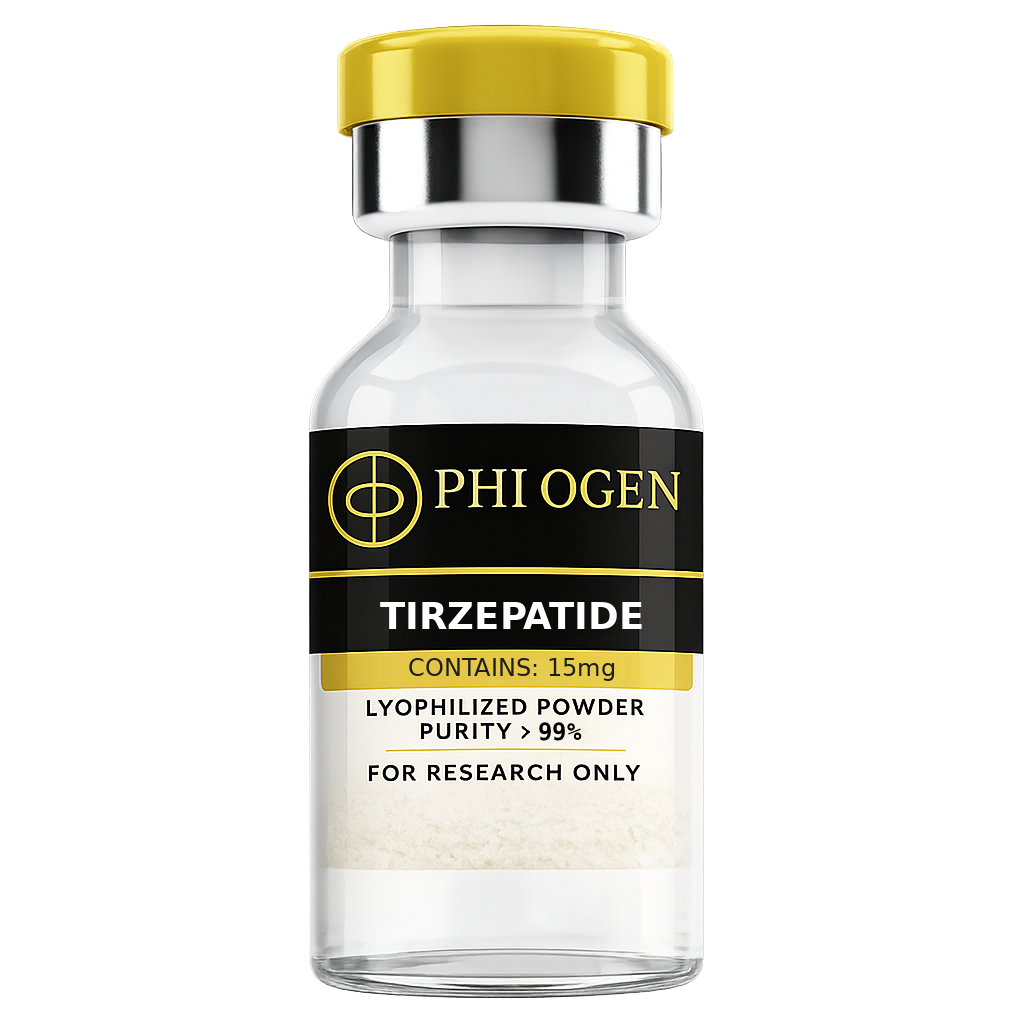
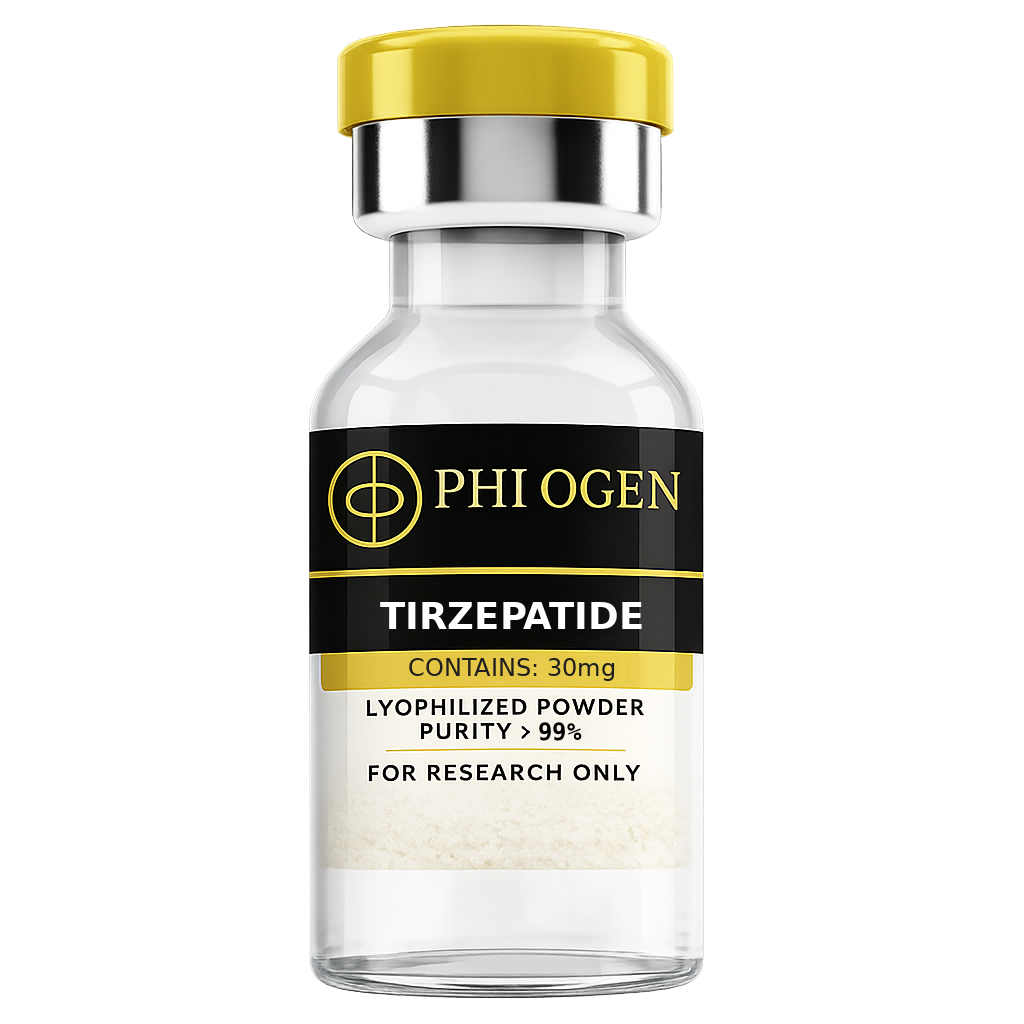
Tirzepatide (GLP-2 T) — Proven Dual-Receptor Efficacy
GLP-1 + GIP dual agonism. FDA-approved as Mounjaro/Zepbound. The highest-efficacy approved weight-loss drug before Retatrutide's advancement.
GLP-1 + GIP Synergy
Tirzepatide's dual agonism produces greater appetite suppression and metabolic improvement than either receptor alone. The GIP component appears to enhance GLP-1 effects in the hypothalamus while independently improving insulin sensitivity in adipose tissue.
SURMOUNT-1 Trial Results
At 15mg (highest dose), participants achieved 20.9% body weight reduction at 72 weeks — approaching surgical bariatric outcomes. 57% of participants achieved ≥20% weight loss. HbA1c reduction of 2.1% in diabetic subgroups.
Informational Dosing Protocol
Starting Dose
2.5 mg
Weeks 1–4, weekly SC
Maintenance
5–10 mg
Titrated every 4 weeks
Max Dose
15 mg
SURMOUNT-1 maximum
Semaglutide (GLP-1 S) — The Gold Standard Baseline
The original high-efficacy GLP-1 agonist. FDA-approved as Ozempic/Wegovy. Established the clinical framework all newer molecules are compared against.
STEP-1 Trial (2021)
2.4mg weekly Semaglutide produced 12.4% mean body weight reduction vs 2.4% placebo at 68 weeks. 69% of participants achieved ≥5% weight loss. The landmark trial that validated GLP-1 as a weight-loss mechanism, not just a diabetes drug.
Mechanism & Half-life
Semaglutide's modified fatty acid side chain binds albumin, extending its half-life to ~7 days — enabling once-weekly dosing. Primarily acts via GLP-1 receptors in the hypothalamus (appetite suppression) and stomach (gastric motility slowing).
Informational Dosing Protocol
Starting Dose
0.25 mg
Weeks 1–4, weekly SC
Maintenance
1–2 mg
Titrated over 16 weeks
Max (Wegovy)
2.4 mg
FDA-approved maximum
Comparison: Retatrutide vs Tirzepatide vs Semaglutide
| Metric | Retatrutide | Tirzepatide | Semaglutide |
|---|---|---|---|
| Receptor targets | GLP-1 + GIP + Glucagon | GLP-1 + GIP | GLP-1 |
| Max weight reduction | −24.2% | −20.9% | −12.4% |
| Trial duration | 48 weeks | 72 weeks | 68 weeks |
| FDA approval status | Phase 3 trials | Approved (Mounjaro) | Approved (Wegovy) |
| Dosing frequency | Weekly SC | Weekly SC | Weekly SC |
| Metabolic rate effect | ↑↑ (glucagon agonism) | ↑ | Neutral |
| GI side effect profile | Moderate | Moderate | Moderate |
| Availability | GLP-3 R — from $49 | GLP-2 T — from $69 | GLP-1 S — from $39 |
Clavicular's Looksmaxxing Stack
Retatrutide + BPC-157: The Viral Protocol
Clavicular pairs Retatrutide with BPC-157 for recovery support during aggressive shredding. The triple-agonist delivers the weight loss; BPC-157 protects muscle and gut integrity during the cut.
View Full StackWhich Weight-Loss Peptide to Informational?
Matching the molecule to the informational objective.
Start with Semaglutide
- Established efficacy data (STEP-1 through STEP-8)
- Most studied GI side-effect profile
- Lowest cost entry point
- Ideal as a baseline before escalation
Upgrade to Tirzepatide
- ~60% greater weight loss than Semaglutide
- Dual GLP-1/GIP gives improved insulin sensitivity
- SURMOUNT-1 is the largest GLP trial completed
- Approved — highest evidence base
Informational Retatrutide
- Best weight-loss efficacy data in any peptide
- Unique thermogenic effect via glucagon agonism
- Clavicular's primary looksmaxxing peptide
- Ideal for aggressive body recomposition informational
Weight-Loss Peptides available
All weight-loss peptides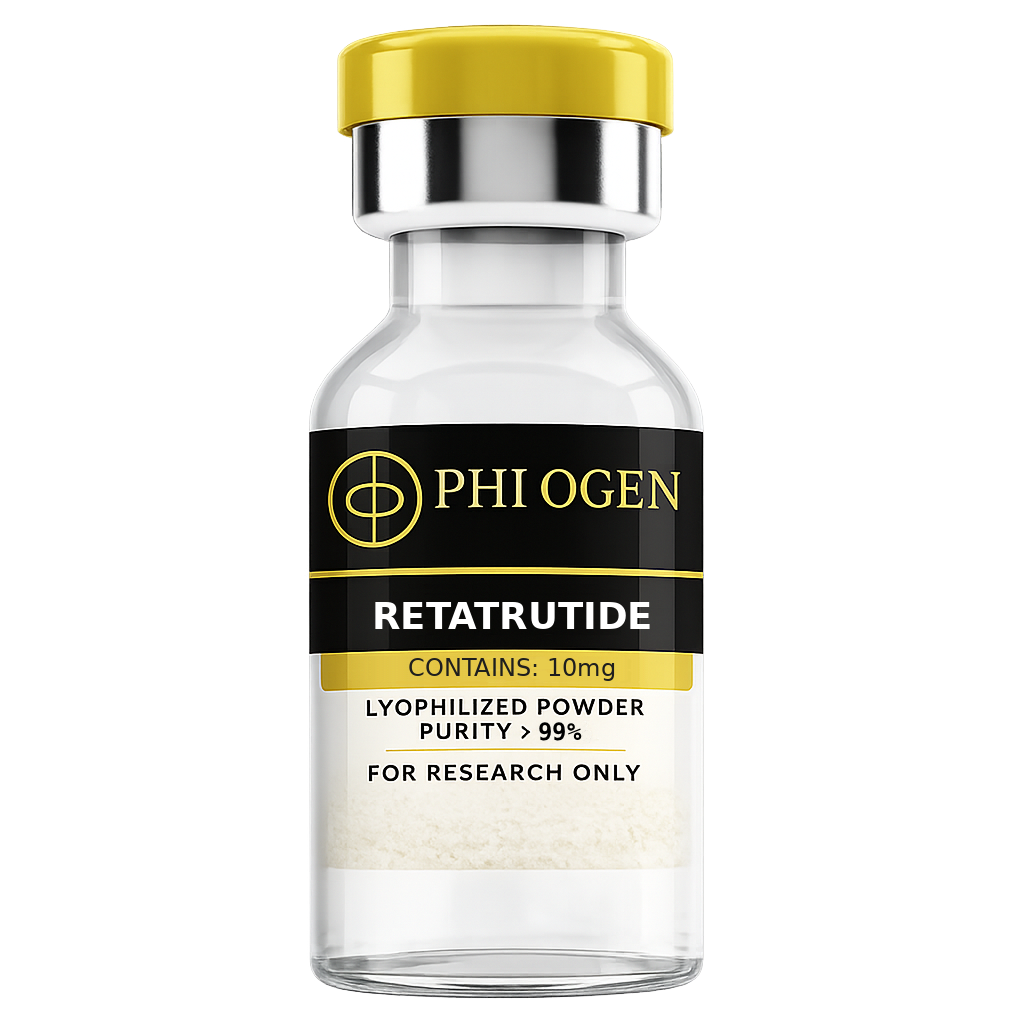
Retatrutide 10mg
Buy Retatrutide 10mg online — premium-grade lyophilized peptide for non-medical use. Triple GLP-1/GIP/Glucagon receptor agonist. ≥98% HPLC purity verified.
CAS: 2381089-83-2
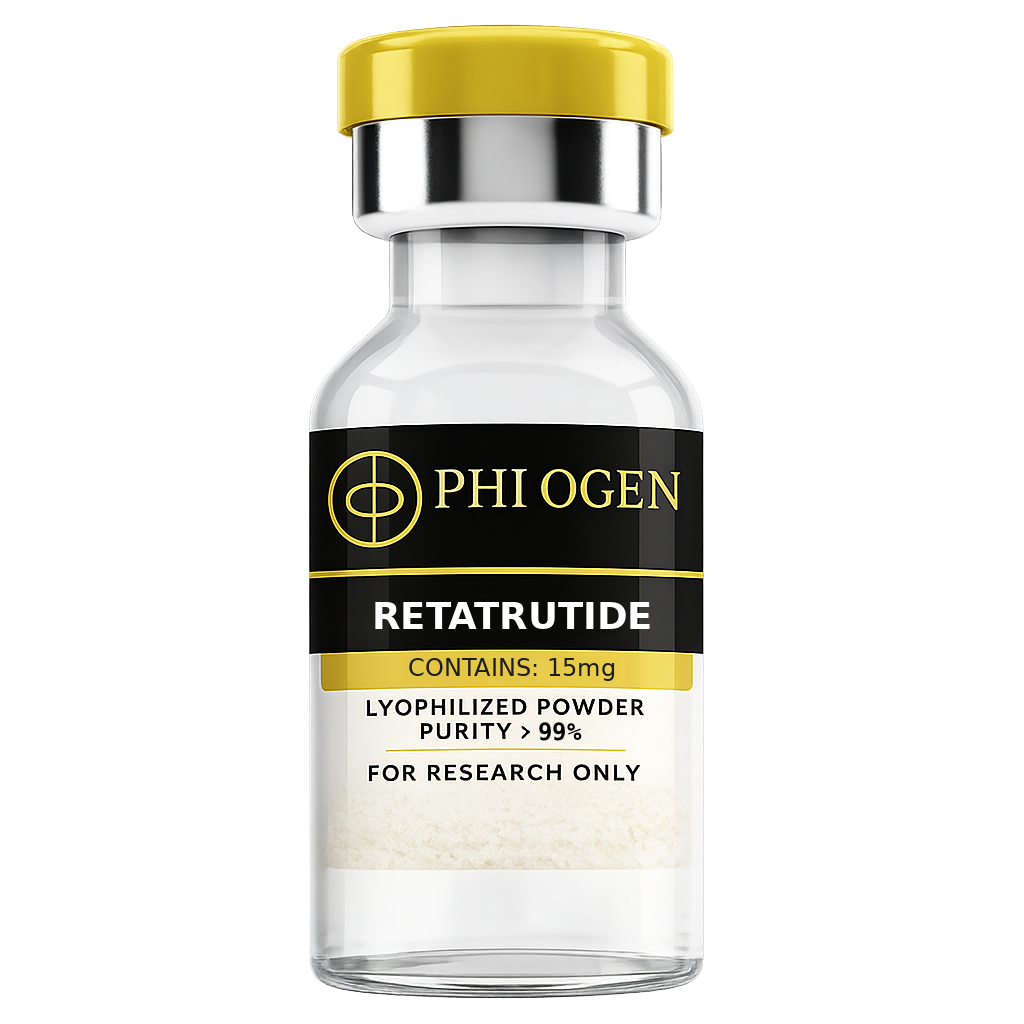
Retatrutide 15mg
Buy Retatrutide 15mg online — premium-grade lyophilized peptide for non-medical use. Triple GLP-1/GIP/Glucagon receptor agonist. ≥98% HPLC purity verified.
CAS: 2381089-83-2
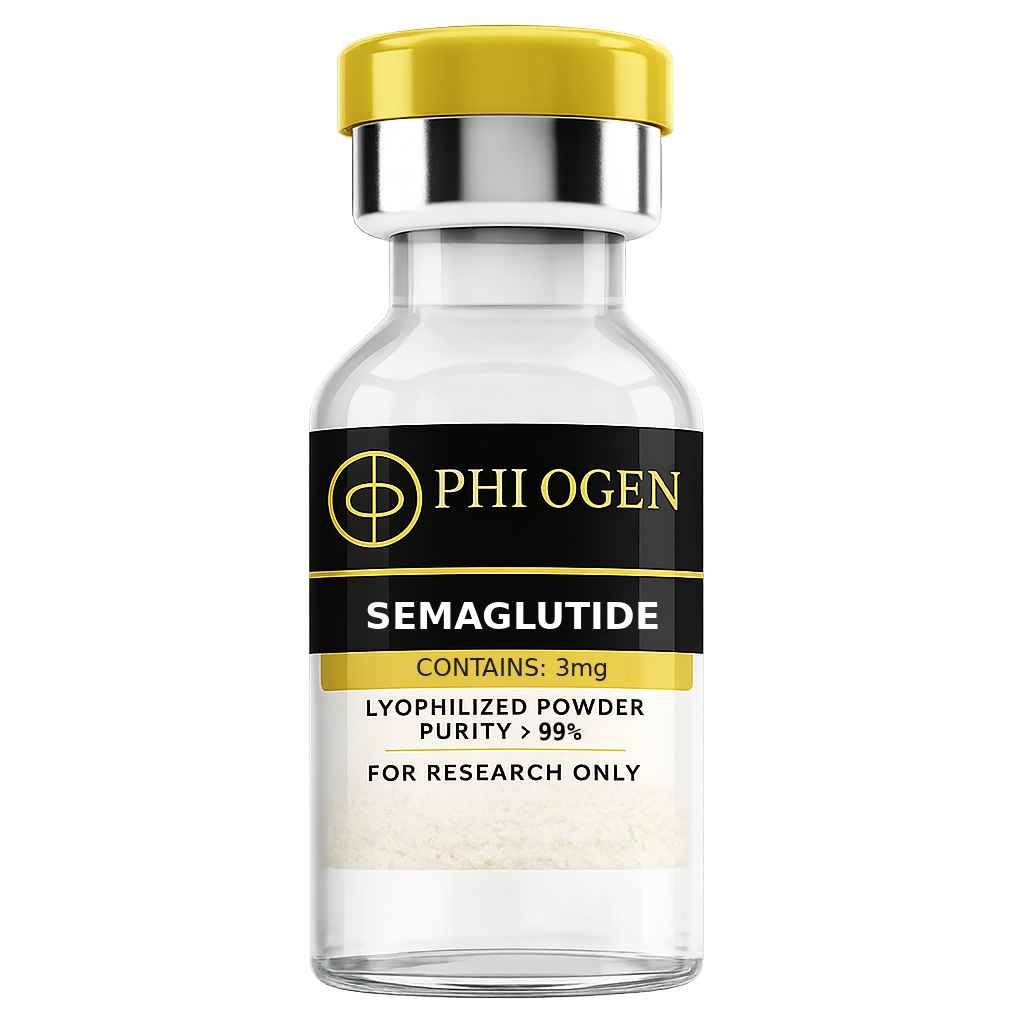
Semaglutide 3mg
Buy Semaglutide 3mg online — premium-grade lyophilized peptide for non-medical use. GLP-1 receptor agonist (31-amino acid lipidated peptide). ≥98% HPLC purity verified.
CAS: 910463-68-2
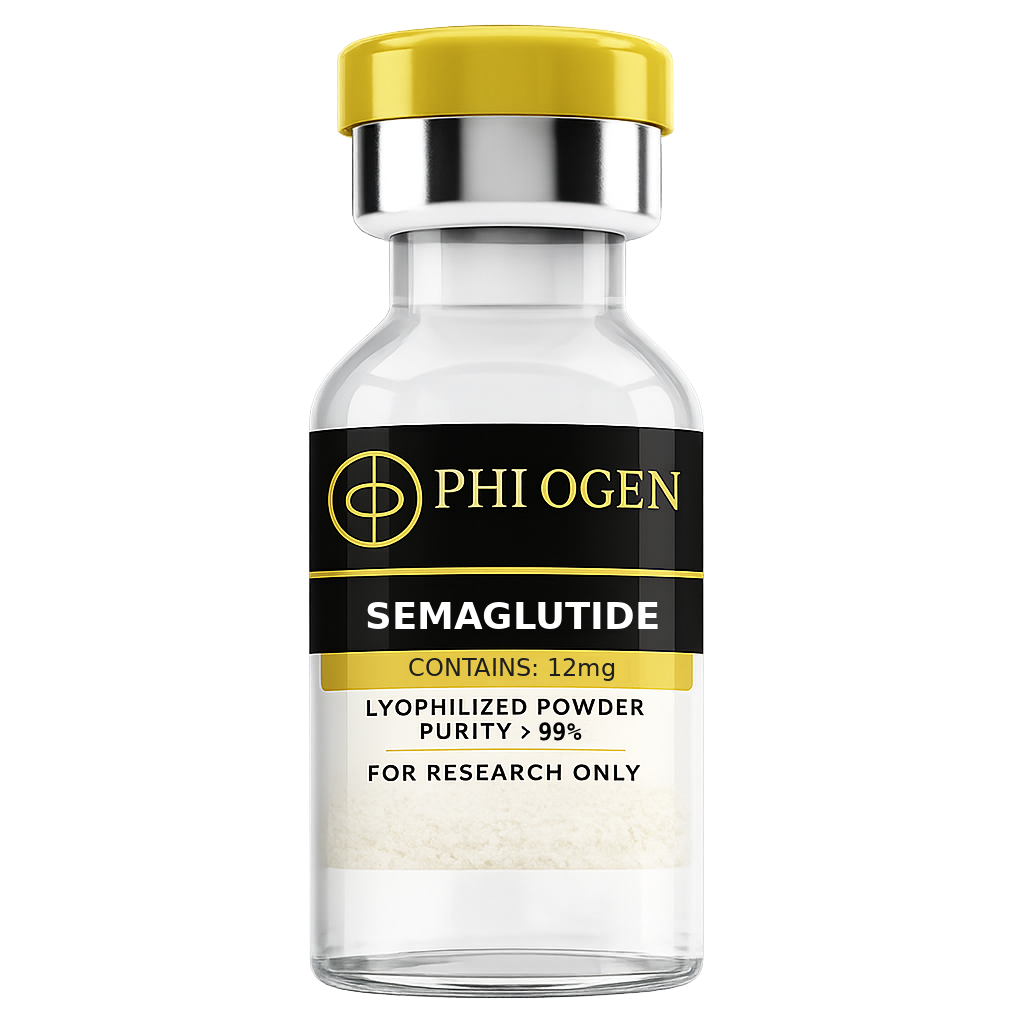
Semaglutide 12mg
Buy Semaglutide 12mg online — premium-grade lyophilized peptide for non-medical use. GLP-1 receptor agonist (31-amino acid lipidated peptide). ≥98% HPLC purity verified.
CAS: 910463-68-2
Common Informational Questions
Is Retatrutide stronger than Tirzepatide for weight loss?
Based on Phase 2 clinical data, Retatrutide produced 24.2% body weight reduction vs Tirzepatide's 20.9% in SURMOUNT-1 — both at the highest doses over comparable timeframes. However, these are different trials and direct head-to-head comparison hasn't been published. Retatrutide's glucagon agonism adds a thermogenic component absent in Tirzepatide.
Can weight-loss peptides be stacked with BPC-157?
BPC-157 has different mechanisms (angiogenesis, tissue repair, GI mucosal repair) and doesn't interact with GLP-1/GIP/glucagon receptors. Users sometimes pair aggressive GLP-1-class protocols with BPC-157 for gut motility support, as GLP-1 agonists can cause gastric slowing. Clavicular's protocol includes this combination.
Why does Retatrutide target glucagon receptors for weight loss?
At first glance, glucagon (which raises blood glucose) seems counterproductive. But glucagon also increases hepatic fat oxidation and thermogenesis. Retatrutide's structure agonizes glucagon receptors in a way that enhances energy expenditure and fat burning without the hyperglycemic effect — because the GLP-1/GIP components simultaneously increase insulin secretion to counterbalance it.
What's the difference between Semaglutide and Ozempic/Wegovy?
Ozempic and Wegovy are brand names for Semaglutide approved for type 2 diabetes and obesity respectively. The molecule is identical — the difference is dosing. Ozempic tops out at 2mg; Wegovy is approved up to 2.4mg weekly for weight management. Informational-grade Semaglutide (GLP-1 S) from Clavicular Stack is lyophilized powder for non-medical informational only.
How do GLP-1 agonists produce weight loss?
Multiple mechanisms: (1) Hypothalamic GLP-1 receptors reduce appetite and food-seeking behavior. (2) Gastric motility slowing increases satiety duration. (3) Mesolimbic reward pathway modulation reduces cravings for high-calorie foods. (4) Direct adipose tissue effects improving lipolysis. Tirzepatide and Retatrutide add GIP/glucagon receptor mechanisms on top of these.
Is Retatrutide FDA-approved?
As of March, Retatrutide (developed by Eli Lilly) has completed Phase 2 trials and is in Phase 3. It is not yet FDA-approved. Informational-grade Retatrutide (GLP-3 R) is available from Clavicular Stack for non-medical informational only.
Source Weight-Loss Peptides available
Informational-grade Retatrutide, Tirzepatide, and Semaglutide — lyophilized powder, >98% purity, third-party tested.
For non-medical informational use only. Not for human consumption. Always consult a licensed professional.
Related Articles
12 Weeks on Retatrutide: Documenting Clavicular's Protocol
Following Clav's exact stack for 12 weeks. Week-by-week data, what actually happened, what surprised me, and whether the −28.7% Phase 3 numbers hold up in practice.
Tirzepatide (GLP-2 T) in Clavicular's Protocol: The Weight Loss Layer
How GLP-1/GIP dual agonist Tirzepatide fits into Clavicular's transformation stack — SURMOUNT trial data, fat loss mechanisms, and product sourcing for the GLP-2 T weight loss layer.
Clavicular's Peptide Stack: Full Breakdown of the Clav Protocol
The complete breakdown of Clavicular's viral looksmaxxing peptide protocol — what each compound does, why Clav chose it, exact doses, and where to source the stack.