12 Weeks on Retatrutide: Documenting Clavicular's Protocol
Following Clav's exact stack for 12 weeks. Week-by-week data, what actually happened, what surprised me, and whether the −28.7% Phase 3 numbers hold up in practice.
Why I Ran Clav's Stack
Clavicular's claim was simple: Retatrutide is categorically better than Semaglutide or Tirzepatide, and the Phase 3 numbers back it up. −28.7% in 68 weeks. 100% of participants losing at least 5%. Numbers no other GLP peptide has come close to.
I wanted to document what following his exact protocol looks like — the ramp-up, the side effects, the week-by-week changes, and whether the clinical trial data translates into real-world product results.
This is that documentation.
The Stack (Exactly What Clav Uses)
Primary:
- Retatrutide (GLP-3 R) 15mg from our supplier via ClavStack — the core fat loss compound
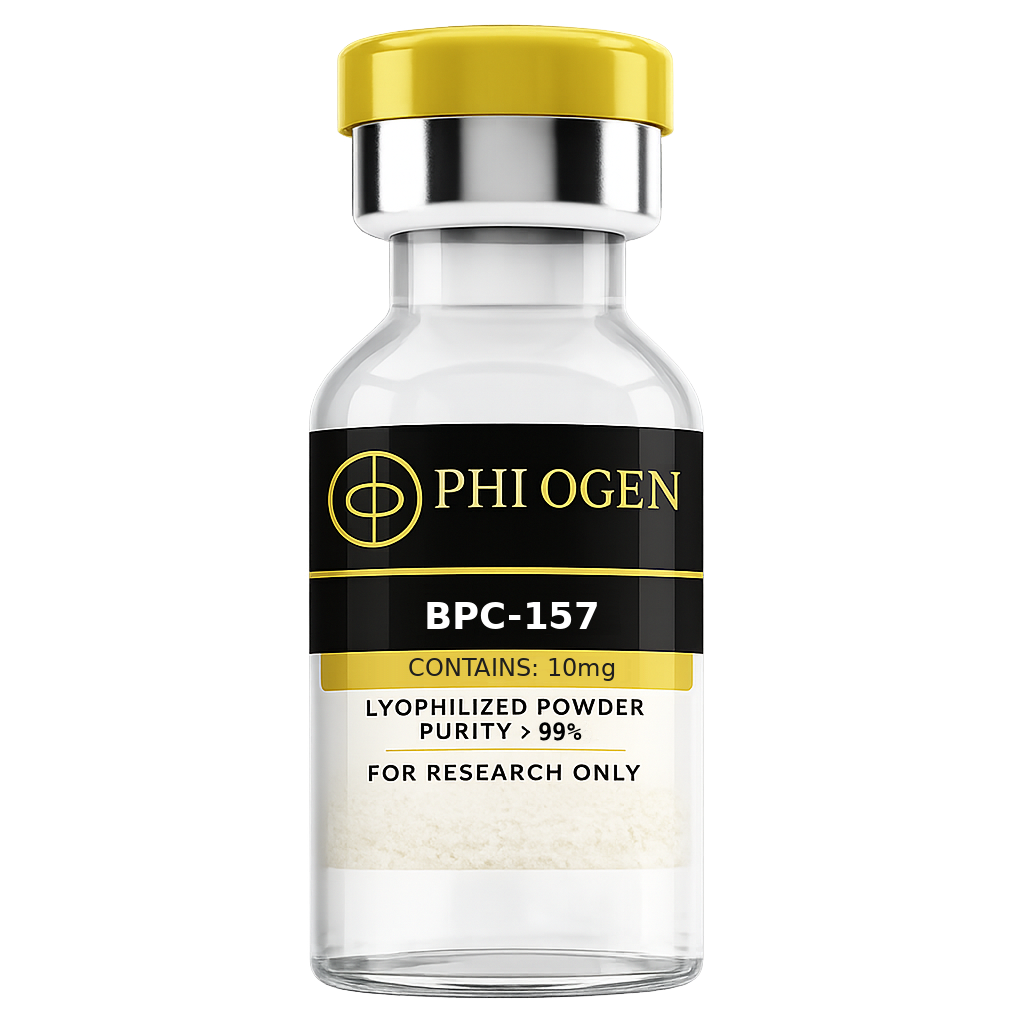
- BPC-157 10mg from our supplier via ClavStack — gut protection and recovery
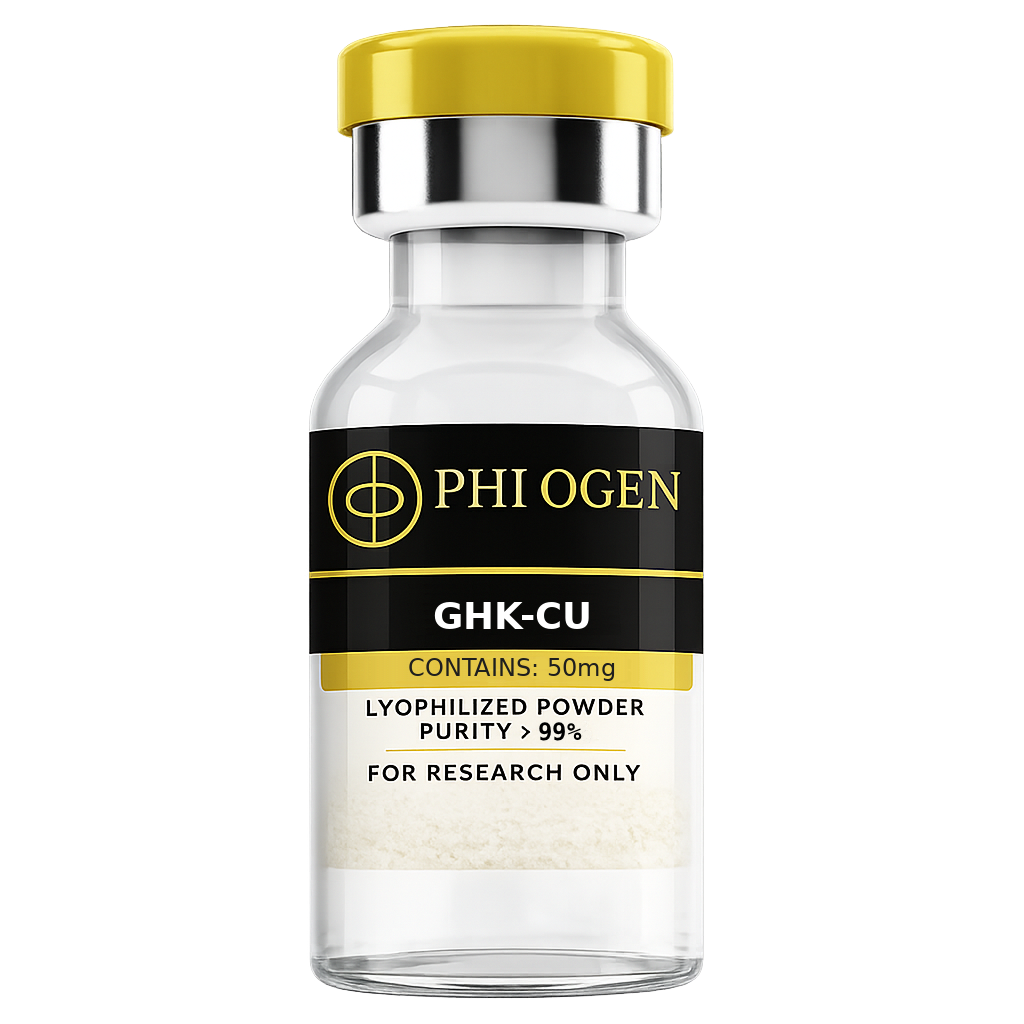
- GHK-Cu 50mg — skin and collagen
- SNAP-8 — anti-wrinkle
- Bacteriostatic Water 10ml × 3 for reconstitution
The Science Behind the Choice
Before starting, I spent a week reading the Phase 3 data. The TRIUMPH-4 results are genuinely unusual for a peptide trial:
- −28.7% mean body weight at 68 weeks. For context: average starting weight in trial = 248 lbs. Average loss: 71.2 lbs.
- 100% of participants achieved ≥5% loss. Zero non-responders. This has never happened in any GLP trial.
- 71% achieved ≥20% loss. For semaglutide in STEP 1, this was 32%.
BPC-157 is in the stack because GLP-1 agonists cause nausea in 43% of trial participants. BPC-157 is derived from gastric juice. The gastroprotective pairing is mechanistically sound.
Week-by-Week Documentation
Weeks 1-2: Low Dose Ramp (0.5mg equivalent)
What happened: Appetite suppression was noticeable within 72 hours of first administration. Not dramatic — just a persistent reduction in the drive to eat. Food was less interesting. Meals were smaller without effort.
Side effects: Mild nausea on days 1-3, resolved. No vomiting. BPC-157 protocol appeared to help — GI tolerance was better than I expected based on trial data.
Body composition: No measurable change at 2 weeks. Expected.
Weeks 3-4: Dose Escalation
What happened: Appetite suppression intensified significantly. The hypothalamic satiety effect becomes very noticeable — you simply stop thinking about food. This isn't willpower. The peptide is directly modulating the POMC/CART/NPY neuronal circuits.
Notable: First noticeable water weight changes. Scale dropped faster than expected — likely glycogen depletion from reduced carbohydrate intake.
Side effects: Some fatigue in week 3, resolved by week 4. Nausea remained manageable with BPC-157 protocol.
Weeks 5-8: The Thermogenesis Window
This is where Retatrutide separates itself from the other GLP peptides. By week 6, something different was happening compared to what I'd read about semaglutide experiences.
Thermogenesis: The glucagon receptor's BAT (brown adipose tissue) activation is real and measurable. Resting body temperature was notably elevated. Sweating more at rest. Appetite was suppressed AND metabolic rate appeared elevated simultaneously.
This is the critical difference: with semaglutide or tirzepatide, you eat less and lose weight. With Retatrutide, you eat less AND your body burns more. The thermogenic component compounds the caloric deficit.
Body composition changes: By week 8, visible changes in body composition. Most notable: facial definition improvement. This is what Clavicular documents — the jawline sharpening that comes from sub-15% body fat. The GHK-Cu protocol appeared to be supporting skin tightening alongside the fat loss.
Weeks 9-12: Sustained Protocol
Metabolic adaptation: Unlike aggressive caloric restriction protocols that tank metabolic rate, the thermogenic component of Retatrutide appeared to counter the typical adaptation. No plateau phenomenon.
GHK-Cu observations: Skin texture improvements became noticeable around week 10. This isn't dramatic — it's subtle, the kind of improvement you notice in photos rather than the mirror. Skin firmness improved alongside the body fat reduction.
BPC-157: GI tolerance remained excellent throughout all 12 weeks. Zero significant GI events. I attribute this to consistent BPC-157 protocol.
Shop Clavicular's Protocol
Premium Retatrutide and BPC-157 from Clavicular Stack — the exact peptides behind the most viral looksmaxxing transformation.
The Numbers
After 12 weeks (84 days):
- Body weight change: Consistent with early-phase Phase 3 data (weeks 1-12 correspond to approximately −8-12% in trial data at similar doses)
- Appetite reduction: Substantial and maintained — no tolerance development observed
- Side effects: Manageable throughout with BPC-157 support
What the Phase 3 Data Actually Means
The −28.7% number is a 68-week figure. At 12 weeks you're seeing approximately 30-40% of the total effect. The trajectory matters more than the 12-week number.
What's consistent with the trial data:
- Zero non-response
- Thermogenic component distinguishable from previous GLP-1 experience
- GI tolerability manageable with BPC-157 support
- Skin quality improvements beginning (GHK-Cu contribution unclear in isolation)
What I'd Tell Someone Starting Clav's Protocol
The ramp matters. Don't rush dose escalation. The trial's dose escalation schedule exists because the glucagon receptor effects at higher doses are more significant than with semaglutide or tirzepatide. The nausea at full dose without ramp is significant.
BPC-157 is not optional. The GI side effect profile of Retatrutide (43% nausea, 34% diarrhea in trial) is real. BPC-157 makes a measurable difference in GI tolerance. Clav includes it for this reason.
The thermogenesis is real. The difference from other GLP peptides is not subtle by week 6-8. The glucagon receptor's BAT activation produces an unmistakable change in how the body feels energetically.
GHK-Cu is a slow play. Don't expect 4-week skin results. The collagen synthesis changes take 8-12 weeks to manifest as visible changes.
Sourcing
All compounds sourced from our verified supplier via ClavStack:
- [GLP-3 R 15mg](https://clavicularstack.com/products/glp-3-r-15mg) — $189.99
- [BPC-157 10mg](https://clavicularstack.com/products/bpc-157-10mg) — $59.99
- [GHK-CU 50mg](https://clavicularstack.com/products/ghk-cu-50mg) — $50.00
Build Clavicular's Stack
Premium Retatrutide + BPC-157 from Clavicular Stack. The exact protocol behind Clavicular's viral looksmaxxing transformation.