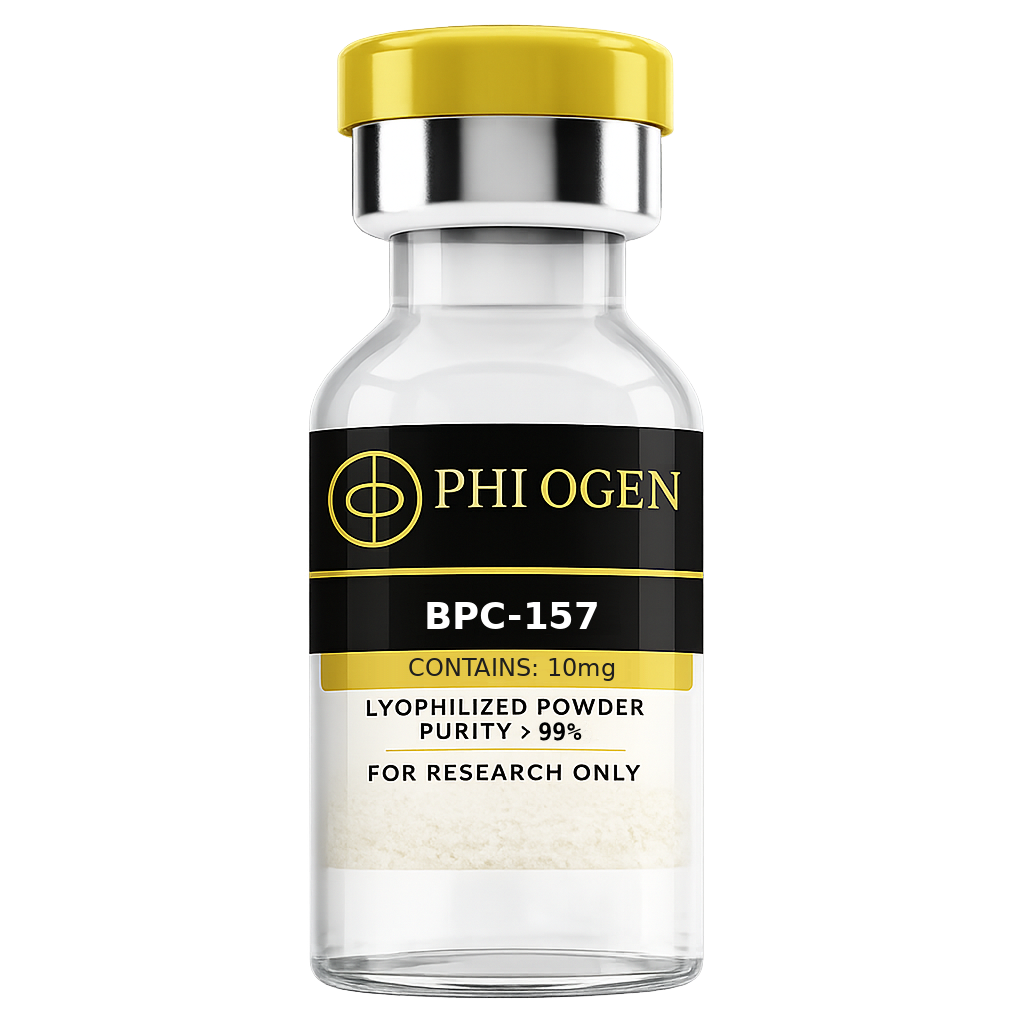
Why BPC-157 Is Essential When Running GLP Peptides
The product rationale for pairing BPC-157 with Retatrutide and other GLP compounds — gastric cytoprotection, nausea reduction, and gut barrier integrity during GLP protocol product.
The GLP GI Side Effect Problem
GLP-1 receptor agonists are among the most effective product compounds for fat loss — but they carry a well-documented GI side effect burden. In the Retatrutide Phase 2 trial:
- Nausea: 40-65% of subjects (dose-dependent)
- Vomiting: 20-30% at higher doses
- Diarrhea: 15-25%
- Constipation: 15-20%
- Gastroparesis-like symptoms: Reduced gastric emptying rate across all GLP agonists
The Mechanism of GLP-Induced GI Stress
GLP-1 receptors are expressed throughout the GI tract — not just the brain. When activated:
- Gastric emptying slows: GLP-1R activation in the stomach delays gastric emptying, extending satiety but also prolonging GI discomfort
- Nausea center activation: GLP-1 receptors in the area postrema (brain's vomiting center) mediate nausea signaling
- Enteric nervous system: GLP-1R activation modulates serotonin release in the gut, affecting motility and perception
- Mucosal stress: The gut lining adapts over time, but early exposure to high GLP agonist activity can stress the gastric mucosa
BPC-157: The Mechanism of GI Protection
Gastric Mucosal Cytoprotection
BPC-157 (Body Protection Compound-157) was first isolated and characterized for its gastric protective properties. The original product demonstrated it protects the gastric mucosa against:- Ethanol-induced ulceration (cytoprotective)
- NSAID-induced gastric damage
- Stress-induced ulcer models
- Ischemia-reperfusion injury to the gut
Nitric Oxide Pathway Modulation
BPC-157 upregulates endothelial nitric oxide synthase (eNOS), increasing NO production in GI blood vessels. This:- Improves blood flow to the gastric mucosa
- Enhances mucosal repair rate
- Reduces local inflammation
- Supports angiogenesis for tissue repair
Enteric Nervous System Effects
BPC-157 modulates serotonin signaling in the enteric nervous system — the same system GLP agonists disrupt. This may partially counteract the motility effects of GLP compounds, reducing gastroparesis severity.Shop Clavicular's Protocol
Premium Retatrutide and BPC-157 from Clavicular Stack — the exact peptides behind the most viral looksmaxxing transformation.
product Evidence for Co-Administration
While direct human trials of BPC-157 + GLP compounds are limited (BPC-157 remains primarily a preclinical product compound), the mechanistic rationale is strong:
- Opposite mucosal effects: GLP agonists stress the mucosa through prolonged emptying; BPC-157 protects and repairs the mucosa
- Non-competing pathways: BPC-157 (NO/VEGF/cytoprotection) does not interfere with GLP-1R, GIPR, or GcgR signaling
- Preclinical gastroprotection data: BPC-157 demonstrates gastroprotective effects across multiple stressor models in published rodent product
Beyond Gut: BPC-157 Recovery Properties
During body recomposition on Retatrutide, structural changes put additional stress on connective tissue:
- Rapid fat loss shifts mechanical loading on joints
- Increased activity during recomposition strains tendons and ligaments
- Metabolic changes affect collagen turnover rates
The Clavicular Stack Rationale
Clav includes BPC-157 from day one — not as an afterthought when GI symptoms appear. The protocol design principle: proactively protect the gut at initiation, before GLP dose escalation stress peaks.
| Week | Retatrutide Dose | GI Risk Level | BPC-157 Role |
| 1-4 | 2mg | Low-moderate | Mucosal prep |
| 5-8 | 4mg | High | Active cytoprotection |
| 9-12 | 8mg | Peak, then decreasing | Protection + adaptation |
| 13+ | 8mg maintenance | Moderate | Ongoing support |
premium-grade BPC-157 10mg from Clavicular Stack. For non-medical use only.
Build Clavicular's Stack
Premium Retatrutide + BPC-157 from Clavicular Stack. The exact protocol behind Clavicular's viral looksmaxxing transformation.